Running for Freedom: How Movement Saved My Body and Mind
As a child, I had recurring dreams about running. In these dreams, I was running from trouble, running for freedom, and I never got tired. I just ran. Little did I know that decades later, those dreams would become the literal foundation of my health and my coaching philosophy.
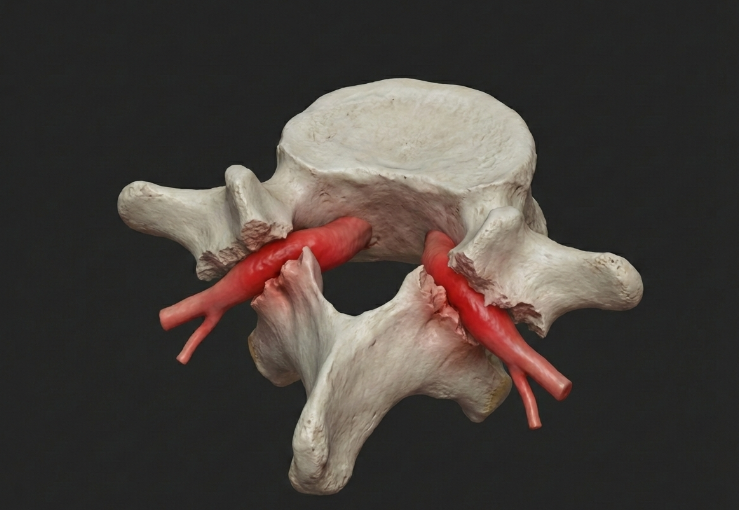
Because of this congenital deformity in my spine, I lived with chronic referred nerve pain. Standing for more than thirty minutes meant agony and days of recovery. This isolation fed into clinical depression. I had read that exercise was the best treatment for the dark veil of depression, but how do you exercise when movement feels like the enemy?
The Mental Barrier
For a long time, I believed I wasn't good enough. My childhood was defined by confusion and a sense that I couldn't achieve anything. My house became my sanctuary, a place where I didn't have to face the physical pain of the outside world or the judgmental eyes of people who didn't understand. I spent my days in front of screens, sedentary and stuck.
Couch to 5K: The First Spark
My turnaround began with a whim: a physical fitness test for an Army course that required a 2.4km run. I had no idea how to start. A friend mentioned the "Couch to 5K" (C25K) program. It was methodical, scientific, and most importantly, it gave me a plan.
I remember the first week: running for 30 seconds, walking for a minute. By the fourth repetition, my calves were screaming and my lungs burning. But it was the start of a journey.
Breaking the Wall
The hardest run I ever did wasn't a marathon—it was my first 7.5km. At the 4.5km mark, I wanted to quit. All the old voices—the ones telling me I was "useless" or "not good enough"—started yelling in my head.
I had to yell back. "I can do this!" I shouted it internally over and over until I drowned them out. When I hit 7km, I realized I hadn't just moved my body; I had broken through a mental brick wall. The insurmountable had been conquered.
The Ultimate Cure
By the time I ran the 14.2km City to Surf in Sydney, something miraculous happened. The pain was gone. My referred nerve pain, which had haunted me for my entire adult life, vanished when I ran regularly. It turned out that building core strength and metabolic health through movement was the cure I had been searching for in bottles of pills.
Today, I don't run 100km races every weekend. Life changes—I became a father, and my priorities shifted. But the lesson remains: Movement is the bridge between the life you have and the life you want.
Whether it’s a 30-second jog or a 100km trail run, movement is how we regulate our neurodivergent brains. It’s how we find our focus. It’s how we find our freedom.
← Back to Articles